
Vocational Training Teams
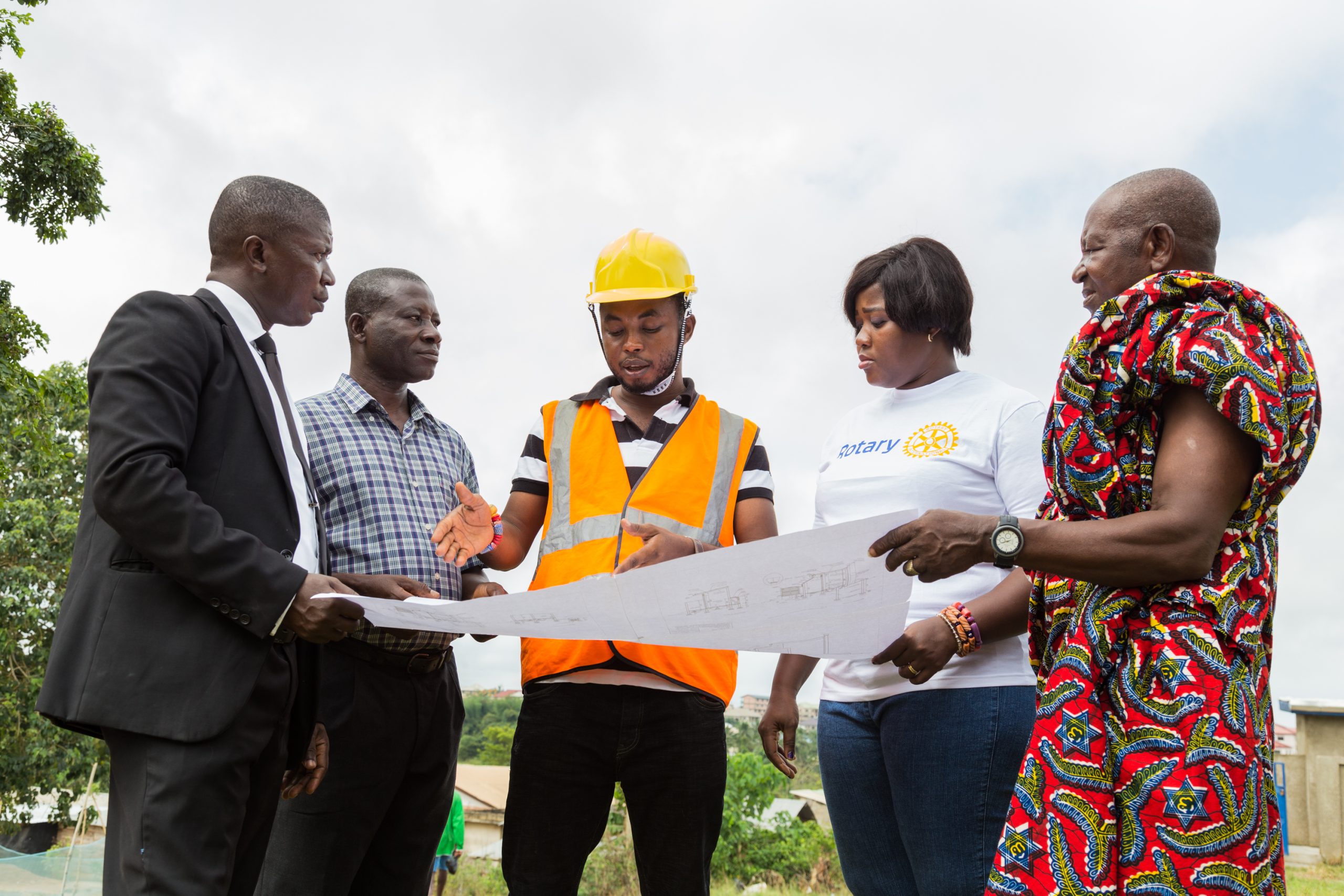
Professionals helping professionals — Rotarians and skilled experts sharing knowledge across borders to build skills that last.
Professionals helping professionals
A Vocational Training Team (VTT) is a group of professionals who travel to another country to teach local professionals new skills — or to learn specialized skills from experts abroad. Unlike traditional service trips where volunteers do the work themselves, VTTs focus on building local capacity: the goal is to leave behind knowledge and skills that keep benefiting the community long after the team returns home.
- Teach or learn specialized, professional skills
- Build lasting local capacity — not short-term labor
- Funded through The Rotary Foundation’s Global Grants
- Open to Rotarians and non-Rotarian experts alike
Why Vocational Training Teams matter
Sustainable impact
Skills stay in the community and keep delivering value for years.
Professional development
Team members grow through teaching, learning, and cross-cultural work.
International partnerships
Lasting institution-to-institution relationships take root.
Cultural understanding
Deep, person-to-person engagement no short trip can match.
Long-term Rotary relationships
Friendships and collaborations that outlast the project itself.
Rather than “doing for” a community, VTTs teach communities to do for themselves.
How VTTs differ from Group Study Exchange
Many longtime Rotarians remember Group Study Exchange (GSE). VTTs essentially replaced GSE by focusing more directly on measurable, sustainable outcomes.
How VTTs are funded
Most VTTs are funded through a Global Grant from The Rotary Foundation. Because they use Global Grants, every VTT must support one of Rotary’s seven Areas of Focus:
Who serves on a VTT
A typical team pairs Rotary leadership with hands-on expertise. Members do not have to be Rotarians — many teams include doctors, nurses, teachers, engineers, firefighters, and business leaders.
- At least one Rotarian serving as team leader
- Three or more members in total
- Professionals with expertise related to the project
- At least two years of relevant professional experience
Examples of successful VTT projects
Emergency obstetrics
Medical professionals training midwives in emergency obstetrics in Uganda.
Wildfire prevention
Fire-management experts sharing wildfire prevention strategies in Portugal.
Classroom instruction
Teachers helping local educators strengthen classroom teaching.
Clean water systems
Water engineers training technicians to maintain safe water systems.
Sustainable farming
Agricultural specialists teaching sustainable farming techniques.
Ideas for District 5330
District 5330 already has strong experience with Global Grants — a VTT could naturally complement an existing grant project by adding a training component. A few possibilities:
Education
Send outstanding teachers, counselors, and administrators to train educators in literacy, PLCs, student wellness, or career readiness.
Mental health
Provide training on youth mental health, suicide prevention, and trauma-informed practices.
Fire & emergency services
Share Southern California wildfire preparedness and emergency-response expertise.
Water conservation
Leverage Inland Southern California’s drought-management and sustainable-water experience.
Vocational education
Build exchanges around career technical education (CTE), apprenticeships, and workforce development.
Planning a VTT
Identify a need and a partner
Find a community need abroad and a partner Rotary district or club to work with.
Conduct a community assessment
Global grants require an assessment so the project reflects real, local priorities.
Align with an Area of Focus
Shape the training around one of Rotary’s seven Areas of Focus.
Build your team
Recruit a Rotarian team leader plus professionals with relevant expertise.
Apply for a Global Grant
Develop and submit the Global Grant application through The Rotary Foundation.
Connect with the District
The District Rotary Foundation Committee can guide you through every step.
Rotary resources on VTTs
Detailed documents — the VTT Fact Sheet, Orientation for Vocational Training Teams, A Guide to Global Grants, and the Terms & Conditions — are available in the My Rotary Grant Center (sign-in required).
Ready to explore a VTT?
Ricardo Loretta, our Vocational Training Team Chair, can help your club turn an idea into a funded Vocational Training Team.
Contact Ricardo Loretta, VTT Chair →